Atlanta has transformed over the past two decades into one of the largest and most economically active legal markets in the American South. The metro area's explosive population growth — particularly across Fulton, Gwinnett, Cobb, and DeKalb counties — has created a court system under sustained pressure. Fulton County Superior Court, the U.S. District Court for the Northern District of Georgia, and the surrounding county courts collectively process enormous civil, criminal, and commercial caseloads. The demand for professional Atlanta court appearance attorneys has grown proportionally.
For law firms, insurance companies, AI legal platforms, and legal operations teams serving the Greater Atlanta market, sourcing reliable court appearance coverage across a metro area defined by geographic sprawl is a real operational challenge. This guide maps the Atlanta court landscape, explains where appearance demand is highest, and describes how modern coverage platforms serve this market.
The Atlanta-Area Court System
Georgia's court structure has more tiers than most states — Superior, State, Magistrate, Municipal, and Probate Courts all operate simultaneously, often in the same county complex. Understanding which court handles which matters is essential before booking coverage.
Fulton County Superior Court
Fulton County Superior Court, located at 136 Pryor Street SW in the Fulton County Courthouse and the Justice Center Tower, is the primary trial court of general jurisdiction for the most populous county in Georgia. It handles all felony criminal matters, civil cases above the State Court jurisdictional threshold, equity matters, domestic relations, and title to land disputes.
Fulton Superior is the center of gravity for Atlanta legal practice. Major commercial disputes, high-stakes personal injury litigation, business torts, and class action matters all flow through this courthouse. Status conferences, motion hearings, calendar calls, and pre-trial conferences generate consistent appearance attorney demand for firms with active Fulton dockets.
Fulton County State Court
The Fulton County State Court, also at 136 Pryor Street, handles civil cases below Superior Court's general jurisdiction threshold, misdemeanor criminal matters, and a substantial volume of personal injury litigation that does not meet the Superior Court's filing requirements. For insurance defense firms, plaintiff personal injury firms, and AI platforms handling consumer cases at volume, Fulton State Court is often the highest-frequency appearance venue.
U.S. District Court, Northern District of Georgia (NDGA)
The Richard B. Russell Federal Building and United States Courthouse at 75 Ted Turner Drive SW houses the Atlanta Division of the Northern District of Georgia — the main federal courthouse for the metro area. NDGA is one of the busiest federal district courts in the South, handling federal civil and criminal matters for 46 of Georgia's 159 counties.
The Northern District has four divisions: Atlanta (the primary division), Gainesville, Newnan, and Rome. For practical appearance attorney purposes, the Atlanta Division at the Russell Building generates the most consistent demand. Federal court appearances — scheduling conferences, case management meetings, status hearings, non-evidentiary motions — all require licensed attorneys, and the NDGA's active case management practices create ongoing coverage needs for firms with substantial federal dockets.
Atlanta Municipal Court
Atlanta Municipal Court at 150 Garnett Street SW handles traffic and ordinance violations for the City of Atlanta. While not typically the venue for complex litigation, Atlanta Municipal Court generates routine appearance demand for firms handling traffic, DUI, and city ordinance matters at volume — particularly relevant for AI legal platforms serving individual consumers in the Greater Atlanta area.
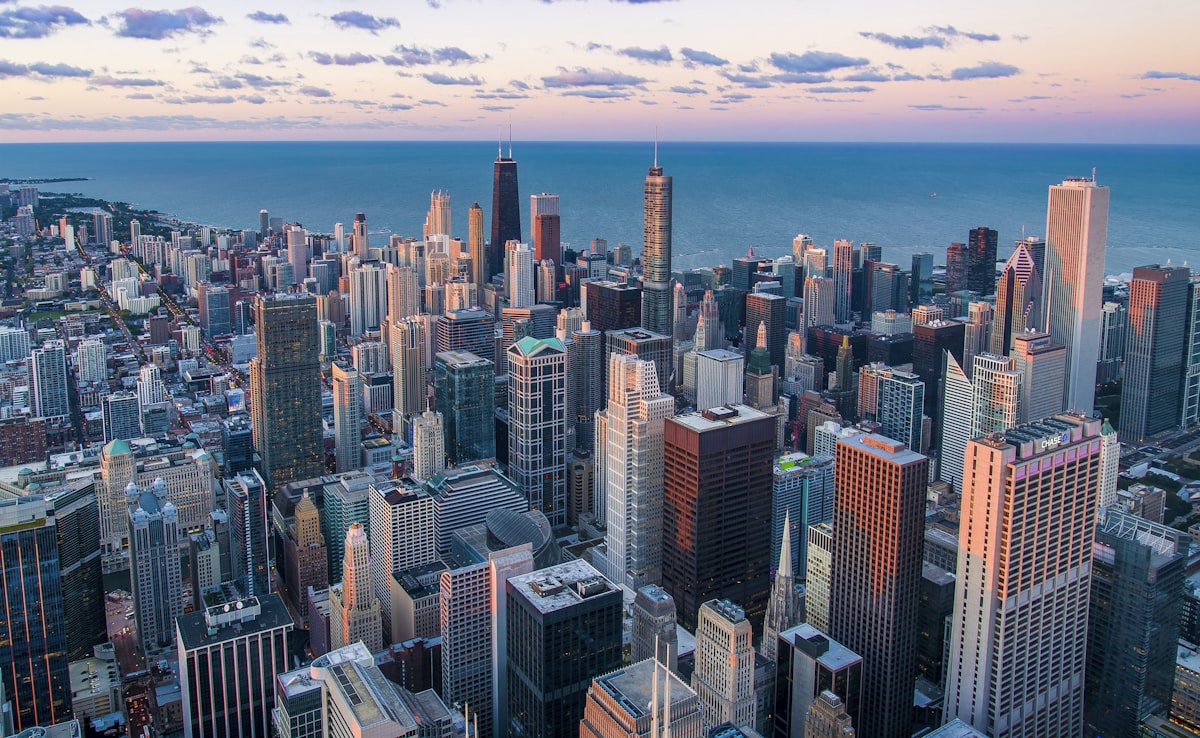
The Five-County Metro: Atlanta's Geographic Coverage Challenge
Greater Atlanta's defining characteristic for appearance attorneys is sprawl. The metro spans 29 counties, with the core five counties — Fulton, DeKalb, Gwinnett, Cobb, and Clayton — each generating substantial court volume. Every one of those county courts sits in a different city, connected by an interstate system that is notoriously congested during business hours.
Key County Court Locations
- DeKalb County Superior and State Courts — 556 North McDonough Street, Decatur (approximately 8 miles east of downtown). DeKalb is the second-largest county in the metro by court volume, with active civil, criminal, and family court dockets.
- Gwinnett County Superior and State Courts — 75 Langley Drive, Lawrenceville (approximately 30 miles northeast of downtown via I-85). Gwinnett's explosive population growth has made it one of the busiest suburban courts in the Southeast. High personal injury, domestic relations, and commercial docket volume.
- Cobb County Superior and State Courts — 70 Haynes Street, Marietta (approximately 20 miles northwest of downtown via I-75). Cobb hosts significant corporate and commercial litigation given the presence of major employers in the Cumberland/Galleria corridor.
- Clayton County Superior and State Courts — 9151 Tara Boulevard, Jonesboro (approximately 20 miles south of downtown near Hartsfield-Jackson Airport). Active personal injury and criminal docket.
- Cherokee County Superior Court — 90 North Street, Canton (approximately 40 miles north of downtown). Growing rapidly with suburban development; increasing civil and domestic docket.
Atlanta's court coverage challenge isn't judicial complexity — it's interstate traffic. A 9 AM status conference in Fulton and a 10:30 AM scheduling order in Gwinnett look possible on paper but require either two attorneys or one very lucky commute on I-85 northbound during rush hour. Experienced Atlanta coverage networks are geographically organized, not just bar-admission organized.
Why AI Legal Platforms Are Growing in Atlanta
Atlanta has emerged as a significant hub for legal technology and AI-driven legal services, anchored by the city's deep technology sector, the presence of Georgia Tech, and a rapidly growing startup ecosystem. AI legal platforms handling tenant rights, personal injury intake, immigration forms, debt collection defense, and consumer protection claims are generating court filing volume — and therefore appearance attorney demand — across Fulton, DeKalb, Gwinnett, and the surrounding counties.
The math is familiar: an AI platform handling landlord-tenant matters across the Greater Atlanta metro may be running hundreds of simultaneous files. DeKalb Magistrate Court, Fulton Magistrate Court, and Gwinnett Magistrate Court all handle dispossessory (eviction) proceedings on dense schedules. A platform's supervising attorneys cannot personally cover all of these matters — they need a structured appearance coverage layer that scales with their docket and delivers reliable outcome reporting.
CourtCounsel's partner API connects AI legal platforms operating in Georgia to verified Georgia-admitted appearance attorneys. Appearances are posted programmatically, county and courthouse specified, matched to verified attorneys within hours, and closed out with structured outcome reports that feed back into the platform's case management system.
Appearance Attorney Earnings in Atlanta
Atlanta is a growing market with rates positioned between the Northeast premium markets and lower-cost rural court markets. Standard procedural appearances through CourtCounsel typically run $150–$275 per appearance for Fulton Superior, DeKalb Superior, State Court matters, and NDGA routine hearings. Outlying county appearances (Gwinnett, Cobb, Cherokee) command rates at the higher end of this range due to commute time from Atlanta.
For Georgia-admitted attorneys building a court appearance practice, Atlanta offers compelling economics:
- The concentration of Fulton Superior, Fulton State Court, and the NDGA within a short walk of each other in downtown Atlanta enables efficient multi-appearance days at the highest-volume venue cluster.
- Gwinnett County's explosive population growth has created one of the highest-volume suburban court systems in the South — attorneys who develop Gwinnett relationships have access to a large, growing market.
- Georgia's Magistrate Courts — which handle dispossessory proceedings and small claims — generate high-volume routine appearance work at predictable schedules, ideal for attorneys who want efficient batching of coverage work.
- NDGA federal court appearances, while requiring separate federal admission, pay premium rates and provide professional development value beyond the per-appearance fee.
Georgia-admitted attorneys can apply to join CourtCounsel here. Bar verification is conducted through the State Bar of Georgia's attorney search before any match is confirmed.
What Law Firms and Platforms Need to Know About Atlanta Coverage
Traffic Dictates Coverage Strategy
There is no such thing as an "Atlanta appearance attorney who covers everywhere." The I-285 perimeter, I-85, I-75, and I-20 corridors make cross-county same-day coverage operationally unreliable during business hours. Firms and platforms that try to route a single downtown Atlanta attorney to Gwinnett and Cobb on the same morning will face no-shows, late arrivals, and the professional consequences of appearing before a judge who is unamused by traffic excuses. CourtCounsel's Atlanta network includes attorneys positioned at the major courthouse clusters — downtown Atlanta, Decatur (DeKalb), Lawrenceville (Gwinnett), Marietta (Cobb) — for effective intra-cluster coverage.
Magistrate Court Volume Is Substantial
Georgia's Magistrate Courts handle dispossessory (eviction) proceedings, which are among the most volume-intensive matters in the state court system. Fulton Magistrate, DeKalb Magistrate, and Gwinnett Magistrate collectively hear thousands of dispossessory hearings per year. For AI legal platforms handling landlord-tenant matters or tenant-rights cases at scale, Magistrate Court coverage is often the highest-frequency appearance need — and it requires attorneys familiar with the specific procedures and filing requirements of Georgia's dispossessory statute.
The NDGA's Active Case Management
The Northern District of Georgia has a reputation for active judicial case management. Federal judges in the Atlanta Division issue scheduling orders early, set firm discovery deadlines, and hold frequent status conferences on complex litigation. For law firms and legal operations teams with large NDGA dockets, coverage for these routine management conferences is a consistent need. NDGA admission is separate from Georgia bar admission — confirm that platform attorneys hold both before booking federal court coverage.

Frequently Asked Questions
What bar admission is required to appear in Atlanta-area courts?
To appear in Georgia state courts — including Fulton County Superior Court, DeKalb Superior Court, Atlanta Municipal Court, and Magistrate Courts — you must be admitted to the State Bar of Georgia and in good standing. For the U.S. District Court for the Northern District of Georgia, separate federal admission to NDGA is required. CourtCounsel verifies Georgia bar status and NDGA admissions through the State Bar of Georgia and the court's own attorney database before any appearance match is confirmed.
How spread out are the courts in Greater Atlanta?
Greater Atlanta's court geography is defined by sprawl. Fulton County Superior Court (136 Pryor Street) and the Russell Federal Building (NDGA, 75 Ted Turner Drive) are in downtown Atlanta and roughly walkable. But DeKalb Superior (Decatur) is 8 miles east, Gwinnett Superior (Lawrenceville) is 30 miles northeast, and Cobb Superior (Marietta) is 20 miles northwest. Atlanta's notorious interstate traffic means these courthouses require separate coverage attorneys — not one downtown attorney trying to cover the entire metro in a single day.
Is Atlanta a good market for attorneys starting a court appearance practice?
Yes. Atlanta is one of the fastest-growing legal markets in the country. The city's expansion — particularly in Fulton, Gwinnett, and Cobb counties — has created substantial court volume in personal injury, commercial litigation, landlord-tenant, and business disputes. The Northern District of Georgia is consistently one of the busier federal district courts in the South. Georgia-admitted attorneys who develop courthouse relationships at Fulton Superior, NDGA, and the major county courts can build a consistent per diem practice. Rates in Atlanta typically run $150–$275 per appearance for standard procedural matters.
Atlanta Coverage, City and Metro Counties
CourtCounsel matches law firms and AI legal platforms with bar-verified appearance attorneys across Fulton Superior, DeKalb, Gwinnett, Cobb, the Northern District of Georgia, and the broader metro area.
Post an Appearance Join as an Attorney