Hayward, California occupies a singular position in the East Bay legal market. As Alameda County's third-largest city—with over 160,000 residents and an economic base anchored by the biotech corridor along Mission Boulevard and Industrial Boulevard, California State University East Bay (CSUEB), St. Rose Hospital, and major manufacturing operations stretching from Union City to the Port of Oakland feeder routes—Hayward generates a legal docket that is at once deeply local and structurally connected to the Bay Area's most complex regulatory and commercial disputes.
Hayward's reputation as California's "Biotech Capital of the East Bay" is well-earned. Gilead Sciences, the global antiviral pharmaceutical company, Bio-Rad Laboratories, and medical device manufacturer Penumbra are among the anchor tenants of Hayward's life sciences ecosystem. This concentration of pharmaceutical intellectual property, clinical research, and medical device innovation creates a legal market that regularly produces Hatch-Waxman patent disputes, BPCIA biosimilar litigation, FDA enforcement proceedings, and DTSA trade secret cases that proceed through the federal Northern District of California's Oakland Division and, for state-law claims, through the Alameda County Superior Court's Hayward Hall of Justice at 24405 Amador Street.
For law firms managing active Hayward and Alameda County dockets, for AI legal platforms serving Hayward's biotech workforce, CSUEB student population, and healthcare employee community, and for corporate legal departments navigating Hayward's manufacturing, real estate, and education sector regulatory exposure, court appearance coverage is a recurring operational requirement. This guide maps the Hayward court landscape, analyzes where appearance demand concentrates by industry and practice area, and describes how CourtCounsel.AI delivers bar-verified attorney coverage across all Hayward and Alameda County courthouses.
Need a Hayward Appearance Attorney Now?
Post your Hayward Hall of Justice or NDCA Oakland appearance and receive a bar-verified attorney match within 2–4 hours.
Post an Appearance Join as an AttorneyThe Hayward Court System: Five Venues, One Legal Market
The Hayward legal market is served by five primary court venues, each with distinct jurisdiction, admission requirements, and procedural culture. Effective appearance coverage requires courthouse-specific familiarity—not generic "Alameda County" coverage that conflates the logistically and procedurally distinct Hayward Hall of Justice with the Oakland-centric court system.
Alameda County Superior Court — Hayward Hall of Justice
The primary courthouse for Hayward civil and criminal matters is the Alameda County Superior Court, Hayward Hall of Justice, located at 24405 Amador Street, Hayward, CA 94544. This courthouse is the hub for most Hayward-originating Superior Court matters: civil limited and unlimited jurisdiction, family law, small claims, and criminal proceedings for Hayward, Union City, Newark, and Castro Valley.
The Hayward Hall of Justice is positioned in central Hayward near the BART Hayward station on A Street, approximately one mile west of the courthouse. For appearance attorneys traveling from Oakland or the peninsula, the BART connection makes the Hayward courthouse more accessible by transit than the geographically isolated Fremont Hall of Justice. Parking is available in metered street spaces along Amador Street and in the adjacent parking garage. The courthouse opens security screening at 7:30 am for morning calendar appearances. Alameda County's eFiling system operates through the California Courts eFiling portal at odysseyportal.courts.ca.gov, governing document submission for civil matters in the Hayward division.
Hayward's department assignments cover the full range of civil unlimited jurisdiction matters including contract disputes, personal injury, construction defect, employment, and real property litigation, as well as family law proceedings (dissolution, custody, support, domestic violence restraining orders) and criminal preliminary hearings and trials. The Hayward Hall of Justice's geographic coverage of Hayward, Union City, and Newark means it serves a combined population exceeding 270,000 residents—one of the largest service areas of any Alameda County branch courthouse.
Alameda County Superior Court — Oakland Courthouse
The Alameda County Superior Court, René C. Davidson Courthouse at 1225 Fallon Street, Oakland, CA 94612 is the main Alameda County courthouse. Complex civil cases, class actions, writs of mandate, probate matters, conservatorship proceedings, and appellate-adjacent filings are routed to Oakland departments rather than remaining in the Hayward division. Hayward-originating cases with complex civil designations under Cal. Rules of Court rule 3.400 are assigned to Oakland complex civil departments. Probate matters—particularly relevant given Hayward's aging biotech executive and healthcare professional population—are handled exclusively at the Oakland courthouse under Cal. Prob. Code §17000 et seq.
Firms with active Hayward-origin cases must be prepared for appearances at both the Hayward Hall of Justice and the Oakland Davidson Courthouse, which are located approximately 12 miles apart and operate as distinct geographic and procedural nodes within the same court system. Same-day coverage across both courthouses requires separate appearance attorney assignments for each location—CourtCounsel.AI routes these independently based on courthouse-specific availability.
U.S. District Court, Northern District of California — Oakland Division
Federal civil and criminal matters with Hayward nexus proceed through the U.S. District Court for the Northern District of California, Oakland Division, located at 1301 Clay Street, Oakland, CA 94612. NDCA Oakland is one of three active courthouse locations in the Northern District (alongside San Francisco and San Jose) and handles the full range of federal civil and criminal matters assigned to the Oakland Division. NDCA Local Rule 11-1 governs attorney conduct and appearance requirements; federal practice in NDCA requires separate admission to the Northern District of California, distinct from California State Bar membership.
Hayward's biotech industry generates substantial NDCA Oakland federal litigation: Hatch-Waxman ANDA disputes under 35 U.S.C. §271(e)(2), BPCIA biosimilar litigation under 42 U.S.C. §262, DTSA trade secret cases under 18 U.S.C. §1836, patent infringement actions, and FDA enforcement proceedings. Manufacturing and environmental matters generate CERCLA and RCRA federal proceedings at NDCA Oakland. Employment class actions and WARN Act disputes from Hayward's industrial employers also flow into the NDCA Oakland docket.
U.S. Bankruptcy Court, Northern District of California — Oakland Division
Business and individual bankruptcy proceedings with Hayward nexus are heard by the U.S. Bankruptcy Court for the Northern District of California, Oakland Division, located at 1300 Clay Street, Oakland, CA 94612—one block from the NDCA Oakland federal courthouse. The Oakland Division bankruptcy court handles Chapter 7 liquidation, Chapter 11 business reorganization, Chapter 13 individual repayment plan cases, and associated adversary proceedings. Hayward's manufacturing sector and commercial real estate market generate Chapter 11 reorganization proceedings for distressed industrial and retail businesses. Individual Chapter 7 and Chapter 13 proceedings are a volume category driven by Hayward's working-class and middle-income population facing medical debt, mortgage arrears, and consumer credit obligations. Bankruptcy court practice requires familiarity with the Federal Rules of Bankruptcy Procedure (FRBP) and NDCA local bankruptcy rules, which differ materially from FRCP practice in the district court next door.
California Court of Appeal, First Appellate District
Alameda County appeals proceed to the California Court of Appeal, First Appellate District, headquartered at 350 McAllister Street, San Francisco, CA 94102—in the Civic Center complex adjacent to the San Francisco Superior Court. Oral argument in Alameda County appeals is conducted at the First Appellate District's San Francisco chambers. Cal. Rules of Court rule 8.204 governs brief format and filing requirements in the First Appellate District. Appeals from the Hayward Hall of Justice follow the same First Appellate District appellate process as all other Alameda County Superior Court matters. Appearance attorneys covering First Appellate District oral argument for Hayward-origin appeals represent a distinct specialty from trial court appearance practitioners; CourtCounsel.AI maintains a separate verified pool for appellate oral argument coverage.
Hayward is not a satellite courthouse of Oakland. Its biotech industry, CSUEB academic anchor, industrial manufacturing base, and Measure A rent-stabilization ordinance create legal market conditions that are substantively distinct from the rest of Alameda County. Appearance attorneys who understand Hayward's specific regulatory environment, courthouse logistics, and industry mix provide meaningfully better coverage than those who treat it as generic East Bay territory.
Appearance Attorney Rate Table: Hayward and Alameda County Courts
The following table reflects typical CourtCounsel.AI appearance attorney rates for standard procedural matters in the Hayward market. Rates vary based on matter complexity, hearing duration, travel requirements, and whether expedited or same-day matching is required.
| Court | Hearing Type | Typical Range |
|---|---|---|
| Alameda Superior — Hayward Hall of Justice (24405 Amador St) | Civil / Family / Criminal | $130 – $240 |
| Alameda Superior — Oakland Courthouse (1225 Fallon St) | Complex Civil / Probate | $145 – $265 |
| U.S. District Court, N.D. Cal. — Oakland Division (1301 Clay St) | Federal Civil / Criminal | $185 – $345 |
| U.S. Bankruptcy Court, N.D. Cal. — Oakland (1300 Clay St) | Ch. 7 / 11 / 13 | $165 – $295 |
| Cal. Court of Appeal, 1st Appellate District (350 McAllister St, SF) | Oral Argument | $220 – $395 |
Rates at the lower end of each range reflect standard procedural appearances—status conferences, case management conferences, routine continuance hearings. Rates at the upper end reflect more substantive appearances: evidentiary hearings, oral arguments, preliminary injunction proceedings, extended wait times, and same-day expedited assignments. All CourtCounsel.AI rates are transparent to both attorneys and posting firms before any match is confirmed. Firms that regularly post Hayward Hall of Justice appearances through CourtCounsel.AI build long-term relationships with Hayward-local appearance attorneys in our network, which improves coverage reliability and, over time, allows for dedicated relationship pricing for high-volume posting firms.
Hayward's Legal Market by Industry
Hayward's legal market is shaped by its distinctive economic composition—a rare mix of biopharmaceutical innovation, legacy heavy manufacturing, BART-adjacent transit-oriented development, anchored academic institutions, and one of the East Bay's most active housing affordability battlegrounds. Each sector generates distinctive categories of litigation and regulatory proceedings that drive appearance attorney demand at the Hayward Hall of Justice, NDCA Oakland, and related venues.
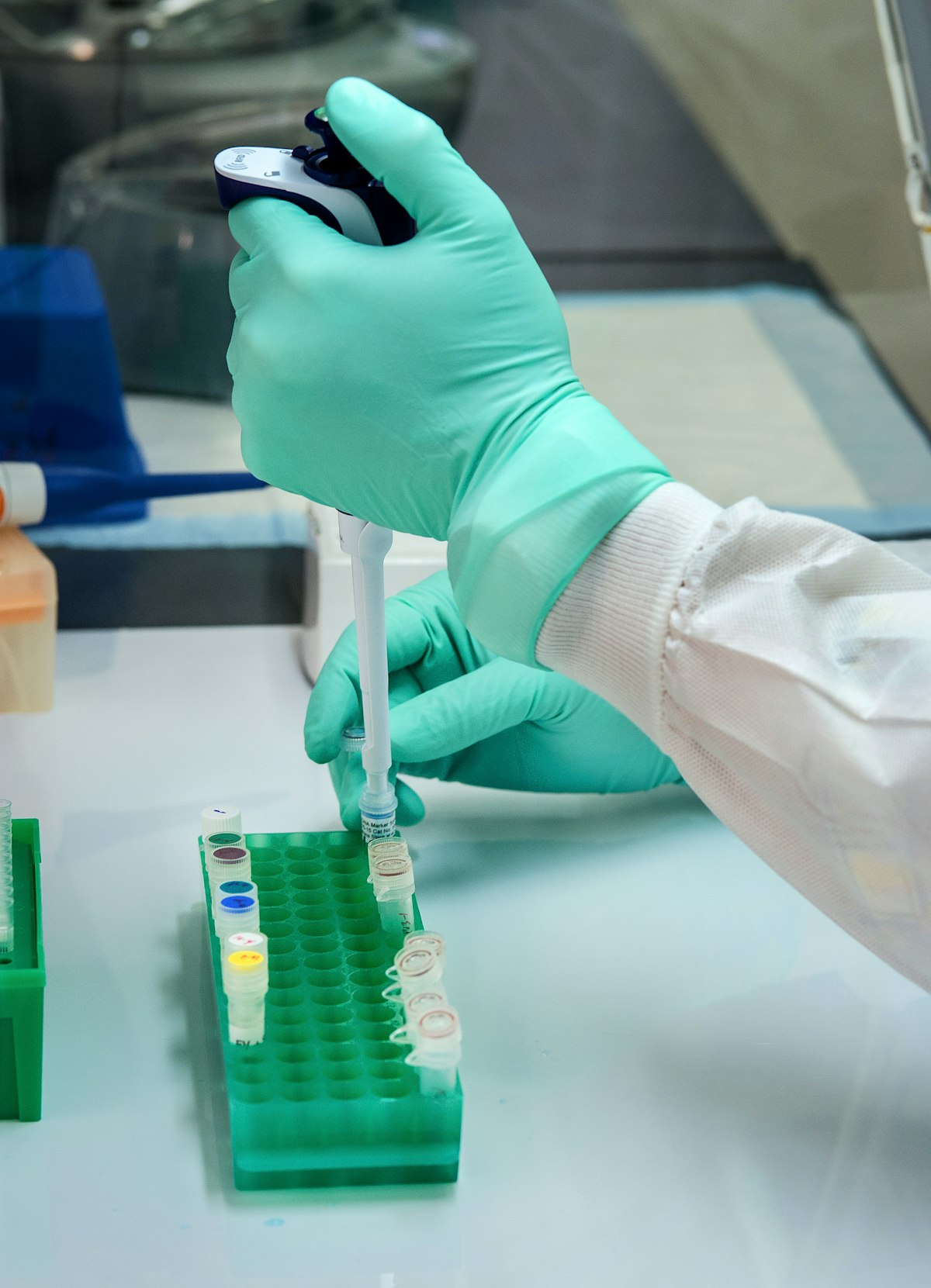
Biotechnology & Life Sciences: Hatch-Waxman, BPCIA, and DTSA Disputes
Hayward is home to Gilead Sciences (333 Lakeside Dr, Foster City, with major Hayward research and manufacturing operations), Bio-Rad Laboratories (1000 Alfred Nobel Dr, Hercules—with Hayward-area operations), and Penumbra, Inc. (One Penumbra Place, Alameda, with Hayward-proximate operations), among numerous other biopharmaceutical, diagnostics, and medical device companies that populate the East Bay biotech corridor. This concentration of life sciences intellectual property, regulatory assets, and clinical research infrastructure creates one of the most legally complex industry segments in the Alameda County appearance attorney market.
Hatch-Waxman patent litigation under 35 U.S.C. §271(e)(2) is a primary category. ANDA (Abbreviated New Drug Application) challenges to branded pharmaceutical patents held by Hayward-area pharmaceutical companies generate patent infringement trials, preliminary injunction proceedings, and claim construction hearings in NDCA Oakland. The statutory 30-month stay under the Hatch-Waxman framework frequently makes timing of NDCA appearances critical—hearing dates are often tied to regulatory deadlines. §282 validity presumption defenses in ANDA litigation generate complex claim construction proceedings at the NDCA Oakland Division that require appearance attorneys familiar with patent litigation procedural practice.
BPCIA biosimilar litigation under 42 U.S.C. §262 (Biologics Price Competition and Innovation Act) is an emerging category as biosimilar versions of Hayward-area biologics companies' branded products enter the FDA approval pipeline. The "patent dance" disclosure and negotiation process under BPCIA generates both state and federal court filings as biologics manufacturers and biosimilar applicants navigate the BPCIA's complex procedural requirements. NDCA Oakland is among the most active BPCIA litigation venues in the country given the density of biologics IP concentrated in the East Bay.
DTSA trade secret litigation under 18 U.S.C. §1836 (Defend Trade Secrets Act) is a high-frequency category driven by employee mobility among Hayward's biotech employers. Life sciences trade secrets—including cell culture processes, drug formulation know-how, analytical testing methodologies, and regulatory submission strategies—are extraordinarily valuable, and departing employee disputes generate TRO applications, preliminary injunction hearings, and trade secret trials in both NDCA Oakland and Alameda County Superior Court. CCPA privacy enforcement under Cal. Civ. Code §1798.100 et seq. is a growing compliance and litigation category for Hayward biotech employers handling employee and clinical trial participant personal information. Cal. Health & Safety Code §109875 et seq. (Sherman Food, Drug, and Cosmetic Law) generates state enforcement proceedings before CDPH and Alameda County Superior Court writ proceedings challenging CDPH regulatory actions affecting Hayward pharmaceutical manufacturers.
FDA 510(k) and PMA enforcement for Hayward-area medical device manufacturers generates federal administrative proceedings and NDCA federal court litigation when FDA issues Warning Letters, initiates seizure actions, or seeks injunctive relief for 21 U.S.C. §331 violations. These proceedings are high-stakes and time-sensitive, requiring appearance attorneys with familiarity with both NDCA Oakland's federal practice requirements and the specific procedural posture of FDA enforcement actions in the Northern District.
Manufacturing & Industrial: OSHA, CERCLA, and Labor Law
Hayward's industrial history runs deep. The Kaiser Steel legacy, the Union City industrial corridor, and Hayward's position as a major Port of Oakland feeder city mean that manufacturing, warehousing, logistics, and heavy industrial operations remain core components of the local economy alongside the biotech sector. This industrial base generates a sustained volume of workplace safety, environmental, and labor law proceedings at the Hayward Hall of Justice and NDCA Oakland.
OSHA workplace safety under 29 U.S.C. §654 (employer's general duty clause) and Cal/OSHA's parallel provisions under Cal. Labor Code §6400 are primary enforcement categories for Hayward manufacturing employers. Cal/OSHA inspections of Hayward industrial facilities generate citations, penalty proceedings before the California Occupational Safety and Health Appeals Board (OSHAB), and related civil litigation in Alameda County Superior Court when injured workers assert negligence claims alongside workers' compensation proceedings. Federal OSHA proceedings for industries under federal jurisdiction (maritime, federal contractors) proceed before OSHA Administrative Law Judges and may generate NDCA Oakland enforcement actions.
CERCLA brownfield remediation under 42 U.S.C. §9601 et seq. and Cal. Health & Safety Code §25300 et seq. (Hazardous Substance Account Act, HSAA) are significant environmental categories given Hayward's industrial history. Former industrial properties contaminated with chlorinated solvents, petroleum hydrocarbons, heavy metals, and other hazardous substances generate cost recovery litigation, contribution proceedings, and remediation disputes in both NDCA Oakland (for federal CERCLA claims) and Alameda County Superior Court (for HSAA state law claims). RCRA 42 U.S.C. §6901 et seq. governs hazardous waste management for ongoing Hayward industrial operations and generates both administrative enforcement and citizen suit litigation at NDCA Oakland.
WARN Act compliance (29 U.S.C. §§2101–2109 and Cal. Lab. Code §§1400–1408) is a recurring concern for Hayward's manufacturing employers facing facility consolidations, line shutdowns, and workforce restructuring. California's WARN Act notice requirements extend to mass layoffs of 50 or more employees and plant closures of any size, with 60-day advance written notice required to affected employees. WARN Act violations generate class action litigation in NDCA Oakland and Alameda County Superior Court. NLRA §157 protected concerted activity and unfair labor practice proceedings are categories for Hayward's unionized manufacturing and warehouse workers, with NLRB Region 32 (San Jose) handling Hayward-area labor charges. UCC Article 2 commercial sales disputes involving Hayward industrial suppliers and customers generate Alameda County Superior Court unlimited civil filings with meaningful appearance demand at the Hayward Hall of Justice and Oakland Davidson Courthouse.
Real Estate & Housing: Measure A, AB 1482, and SB-800 Disputes
Hayward is among the East Bay communities most acutely affected by the Bay Area's housing crisis. With rents rising sharply due to spillover demand from Silicon Valley and San Francisco, and with significant BART-adjacent transit-oriented development pressure along the Mission Boulevard and A Street corridors, Hayward's real estate and housing sector generates some of the most active litigation in the Hayward Hall of Justice.
Hayward Measure A—the city's just-cause eviction ordinance adopted by voters in 2020—is a primary source of unlawful detainer defense litigation at the Hayward Hall of Justice. Measure A requires landlords to have qualifying just-cause grounds before evicting tenants in covered rental units, with procedural requirements and tenant protections that supplement and in some respects exceed the statewide AB 1482 just-cause protections. UD proceedings where tenants assert Measure A defenses generate contested evidentiary hearings at the Hayward Hall of Justice that require appearance attorneys with specific familiarity with Hayward's local ordinance, its exemptions, and the Alameda County Superior Court's Hayward division procedural practices for UD matters.
Cal. Civ. Code §1947.12 (AB 1482 rent cap) limits annual rent increases for covered units to 5% plus CPI, or 10% maximum, and generates both individual tenant claims and class action litigation in Alameda County Superior Court when landlords exceed the cap or misapply exemptions. SB-800 (Cal. Civ. Code §895 et seq.) construction defect litigation is an active category for Hayward's newer residential developments built to serve BART commuters—particularly condominium and townhouse projects where homeowner associations assert SB-800 claims against original developers and their subcontractors. Cal. Civ. Code §8000 et seq. mechanics lien enforcement generates Alameda County Superior Court proceedings for Hayward construction projects where contractors, subcontractors, and materials suppliers have unpaid claims against property owners or general contractors.
Government Code §65915 density bonus law and the state's housing element compliance framework under Gov. Code §65580 et seq. generate developer versus municipality disputes as Hayward navigates RHNA (Regional Housing Needs Allocation) obligations and housing element certification requirements. The California Department of Housing and Community Development's enforcement of housing element law generates both administrative proceedings and Alameda County Superior Court writ filings challenging city council decisions on development applications. CERCLA brownfield site reuse for residential development—a priority in Hayward's transit-oriented development strategy—generates complex multi-party federal and state environmental proceedings at NDCA Oakland and Alameda County Superior Court that intersect with the housing development approval process.
Healthcare: MICRA, EMTALA, and Whistleblower Proceedings
Hayward's healthcare sector is anchored by St. Rose Hospital (27200 Calaroga Ave, Hayward), Kaiser Permanente East Bay (2500 Merced St, San Leandro, serving Hayward), and Alameda Health System's network of facilities serving the southern Alameda County market. Hospital systems of this scale, combined with the East Bay's physician community and biotech clinical research operations, generate a distinctive healthcare legal docket.
MICRA (Medical Injury Compensation Reform Act) under Cal. Civ. Code §3333.2 governs medical malpractice noneconomic damage awards in California. AB 35 (2022) progressively increases MICRA's noneconomic damages cap from $250,000 to $350,000 over 10 years for non-death cases. Medical malpractice litigation for Hayward-area hospital defendants at St. Rose Hospital and Kaiser Permanente facilities generates a high volume of routine appearances at the Hayward Hall of Justice and Oakland Davidson Courthouse—case management conferences, discovery hearings, expert disclosure hearings, and trial-track status conferences—representing sustained per diem appearance demand for the CourtCounsel.AI network.
EMTALA (Emergency Medical Treatment and Labor Act) under 42 U.S.C. §1395dd mandates emergency treatment and stabilization for all patients regardless of ability to pay and generates HHS administrative enforcement proceedings and NDCA Oakland civil litigation when hospital emergency departments are alleged to have improperly transferred or failed to treat patients. Cal. Health & Safety Code §1278.5 (hospital whistleblower statute) protects healthcare employees who report patient safety concerns to government authorities, generating Alameda County Superior Court employment litigation when Hayward-area hospital employers retaliate against whistleblowers. Cal. Health & Safety Code §1182.12 governs hospital nurse-to-patient staffing ratios, a chronic compliance and litigation source for East Bay hospital systems facing competing pressures from nursing unions and budget constraints. Medi-Cal reimbursement disputes under Welf. & Inst. Code §14000 et seq. generate administrative proceedings before DHCS and Alameda County Superior Court writ filings when Hayward-area healthcare providers contest Medi-Cal payment determinations.
Education: CSUEB, Chabot College, and IDEA Proceedings
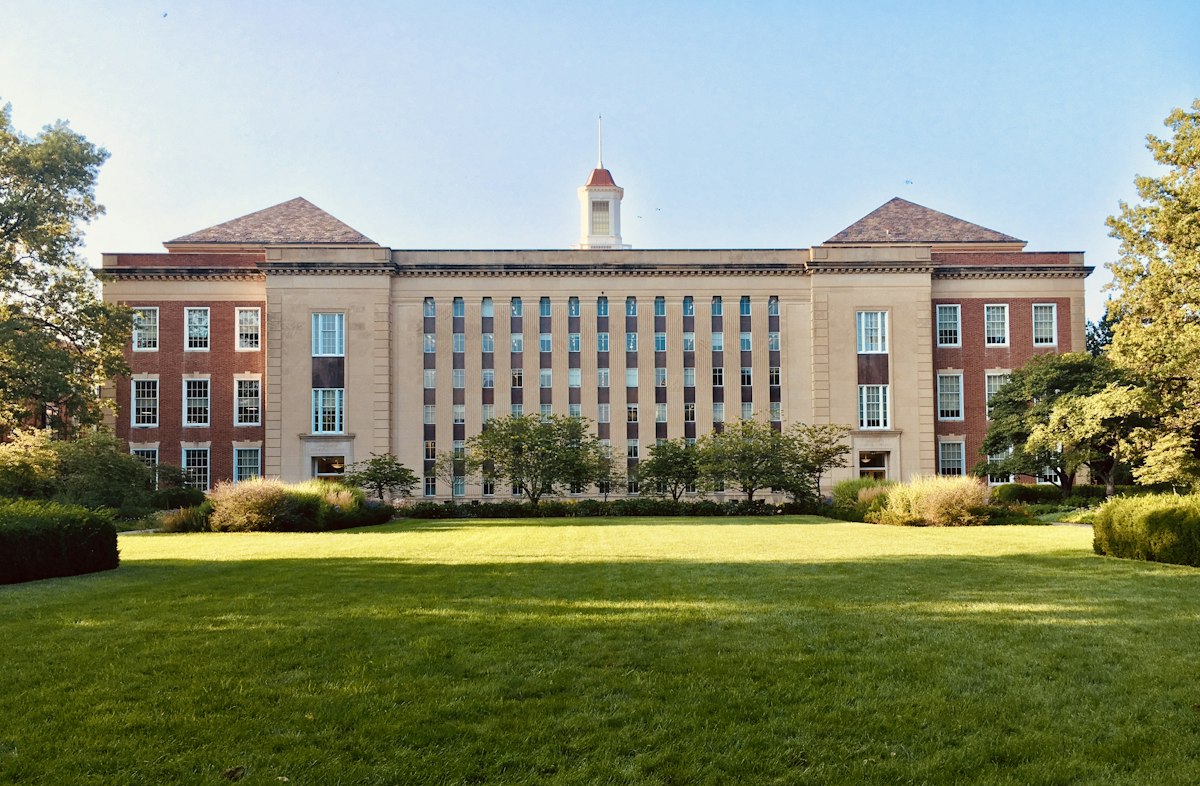
California State University East Bay (CSUEB), headquartered on a 342-acre campus in the Hayward hills at 25800 Carlos Bee Blvd, is one of Hayward's most significant economic and legal anchors. With approximately 15,000 students and several thousand faculty and staff, CSUEB generates a distinctive category of academic employment, student rights, and research commercialization disputes. Chabot College (25555 Hesperian Blvd, Hayward), serving approximately 12,000 students in the Chabot-Las Positas Community College District, and Hayward Unified School District add further education sector legal volume to the Hayward market.
IDEA (Individuals with Disabilities Education Act) under 20 U.S.C. §1400 et seq. generates due process administrative hearings before the California Office of Administrative Hearings (OAH) when parents of Hayward USD or Chabot-Las Positas students dispute the adequacy of individualized education programs (IEPs). OAH due process hearings generate appearances at OAH facilities in Sacramento and, for enforcement actions, NDCA Oakland federal court proceedings. §504 of the Rehabilitation Act (29 U.S.C. §794) and ADA Title II (42 U.S.C. §12132) accommodation disputes for students with disabilities at CSUEB and Hayward USD generate both administrative OCR complaints and NDCA Oakland federal litigation.
Title IX under 20 U.S.C. §1681 applies to all Hayward educational institutions receiving federal funding and generates both administrative OCR proceedings and NDCA Oakland civil litigation in sexual harassment, sexual assault, and gender discrimination cases. CSUEB faculty and staff employment disputes—including tenure denial proceedings, Academic Senate governance disputes, and CSU collective bargaining agreement enforcement matters (the CSU-CFA collective bargaining agreement covers CSUEB faculty)—generate administrative proceedings before the Public Employment Relations Board (PERB) and Alameda County Superior Court writ filings challenging PERB decisions. Bayh-Dole Act (35 U.S.C. §200 et seq.) disputes arising from CSUEB faculty research commercialization—who owns the IP generated with federal research funding, and under what terms—generate both administrative proceedings and NDCA Oakland federal litigation. Cal. Ed. Code §44938 governs mandatory teacher dismissal procedures for Hayward USD certificated employees, generating Alameda County Superior Court proceedings when dismissal decisions are contested.
Technology: DTSA, CFAA, and Non-Compete Enforcement
Hayward's position at the northern terminus of the Silicon Valley BART corridor—offering direct rail access to Fremont, Milpitas, and eventually San Jose—makes it a natural location for technology workers who want East Bay housing prices while commuting to Silicon Valley employment. This creates a substantial remote-worker and hybrid-worker technology professional population that generates its own category of IP, employment, and privacy disputes distinct from the biotech litigation described above.
DTSA trade secret litigation under 18 U.S.C. §1836 is a primary category for technology workers residing in Hayward who switch employers within the Silicon Valley technology ecosystem. California's strong public policy against non-compete agreements under Bus. & Prof. Code §16600 (as strengthened by SB 699 and AB 2288, effective January 1, 2024) means that technology employers attempting to restrict departing employees' post-employment activities must rely on DTSA trade secret claims rather than traditional non-compete enforcement. This generates a sustained volume of TRO applications, preliminary injunction proceedings, and trade secret trials in NDCA Oakland and Alameda County Superior Court for Hayward-resident technology defendants.
CFAA (Computer Fraud and Abuse Act) under 18 U.S.C. §1030 claims are frequently brought alongside DTSA claims in technology employee trade secret cases when the departing employee is alleged to have accessed employer computer systems without authorization or in excess of authorization before departure. CFAA civil claims generate NDCA Oakland federal proceedings and, when criminal referrals are made, U.S. Attorney prosecutions in the Northern District. CCPA (California Consumer Privacy Act) under Cal. Civ. Code §1798.100 et seq. and its amendment by CPRA (Cal. Civ. Code §1798.150) generate both CPPA administrative enforcement proceedings and private right of action litigation in Alameda County Superior Court for technology companies with Hayward-resident consumer relationships. GDPR Article 6 lawful basis requirements apply to Hayward technology companies with European Union user data processed in California facilities, generating regulatory compliance disputes and, increasingly, NDCA Oakland civil proceedings when GDPR-related claims are joined with California privacy law claims in multi-plaintiff litigation. Cal. Bus. & Prof. Code §17200 (UCL unfair competition law) and employee non-solicitation prohibition under §16600 combine to generate a recurring category of Alameda County Superior Court litigation for technology companies attempting to restrict Hayward-based employees' professional networks after departure.
Retail & Consumer: CLRA, UCL, and ADA Compliance
Hayward's retail sector is anchored by the Southland Mall (24400 Southland Dr, Hayward), the Mission Boulevard commercial corridor, and the Tennyson Road retail strip—serving a dense, economically diverse population that generates consumer protection litigation and commercial retail disputes at meaningful volume. The Hayward Hall of Justice handles limited civil jurisdiction matters (claims under $25,000) and unlimited civil jurisdiction claims for the retail and consumer sector, representing one of the higher-volume civil filing categories in the Hayward division.
CLRA (Consumers Legal Remedies Act) under Cal. Civ. Code §1750 et seq. prohibits unfair and deceptive trade practices in consumer transactions and generates both individual and class action litigation in Alameda County Superior Court against Hayward-area retailers and consumer product companies. Class action CLRA claims from Hayward's retail market frequently involve alleged mislabeling of consumer products, false advertising of pricing or product characteristics, and deceptive subscription billing practices. UCL (Unfair Competition Law) under Bus. & Prof. Code §17200 et seq. is the broadest consumer protection statute in California and generates both private right of action litigation and California Attorney General enforcement proceedings against Hayward retailers engaged in unfair, unlawful, or fraudulent business practices.
Song-Beverly Consumer Warranty Act under Cal. Civ. Code §1790 et seq. (California's "lemon law") generates individual and class action claims against Hayward-area automotive dealers and manufacturers for vehicles sold with persistent defects that are not remedied after a reasonable number of repair attempts. FDCPA (Fair Debt Collection Practices Act) under 15 U.S.C. §1692 et seq. generates NDCA Oakland federal litigation and Alameda County Superior Court state claims against debt collectors attempting to collect consumer debts from Hayward residents using prohibited collection practices. ADA Title III under 42 U.S.C. §12181 et seq. generates NDCA Oakland federal accessibility litigation against Hayward commercial property owners and retail businesses that fail to provide accessible facilities under 28 C.F.R. Part 36 standards. Cal. Fin. Code §22000 et seq. governs consumer finance lending in California and generates Department of Financial Protection and Innovation (DFPI) enforcement proceedings and Alameda County Superior Court civil litigation for Hayward-area consumer lenders and loan servicers. TCPA (Telephone Consumer Protection Act) under 47 U.S.C. §227 generates NDCA Oakland class action litigation against Hayward retailers and consumer marketing companies that send automated calls or text messages to consumers without compliant consent.
Employment: FEHA, PAGA, AB5, and Hayward Measure C
Hayward's employment law docket is among the most active in the East Bay, reflecting the city's large and economically diverse workforce spanning biotech, healthcare, manufacturing, logistics, retail, and education. The combination of California's strong worker protection statutes, Hayward's adopted local employment ordinances, and the city's workforce demographics creates sustained employment litigation volume at the Hayward Hall of Justice and NDCA Oakland.
Cal. Labor Code §226 (wage statement accuracy requirements) and §6310 (whistleblower protection for employees who report safety violations) are frequent sources of individual and class action employment litigation in Alameda County Superior Court and NDCA Oakland. Wage statement violations are a high-frequency PAGA (Private Attorneys General Act, Lab. Code §2698 et seq.) claim in cases involving Hayward's biotech, manufacturing, and retail employers. FEHA (Fair Employment and Housing Act) under Gov. Code §12940 et seq. prohibits discrimination and harassment in employment based on protected characteristics and generates the highest single volume of employment-related Hayward Hall of Justice filings, covering discrimination claims across all protected categories (race, sex, age, disability, religion, sexual orientation, gender identity, pregnancy) as well as reasonable accommodation disputes, DFEH administrative proceedings, and wrongful termination in violation of public policy claims.
FLSA (Fair Labor Standards Act) under 29 U.S.C. §201 et seq. governs minimum wage and overtime pay requirements for Hayward employees in covered industries and generates NDCA Oakland collective action litigation alongside Cal. Labor Code state claims when Hayward employers misclassify workers or fail to pay required overtime. Hayward Measure C minimum wage ordinance sets the Hayward minimum wage above the state floor (currently $17.20 per hour, indexed to CPI) and generates Alameda County Superior Court enforcement proceedings when Hayward employers fail to comply with the local minimum wage requirement. WARN Act compliance under Cal. Lab. Code §1400 et seq. for mass layoffs at Hayward manufacturing and logistics employers generates class action litigation. AB5 (Cal. Lab. Code §2775 et seq.) creates a presumption of employee status for workers performing services for Hayward businesses under the ABC test, generating misclassification litigation for Hayward's gig economy logistics, delivery, and technology employers. NLRA §157 protects the right of Hayward employees to engage in concerted activities for collective bargaining and other mutual aid or protection, generating NLRB Region 32 unfair labor practice charges and ALJ proceedings for Hayward employers alleged to have interfered with protected concerted activity. PAGA Lab. Code §2698 authorizes aggrieved employees to bring representative actions for Labor Code violations on behalf of themselves and other current and former Hayward employees, generating one of the most active categories of Alameda County Superior Court employment filings for Hayward-area defendants.
CourtCounsel.AI Coverage for Hayward and Alameda County
CourtCounsel.AI maintains a verified appearance attorney pool across the Alameda County market, with specific courthouse familiarity at the Hayward Hall of Justice (24405 Amador St), the Oakland Davidson Courthouse (1225 Fallon St), the U.S. District Court NDCA Oakland Division (1301 Clay St), the U.S. Bankruptcy Court Oakland Division (1300 Clay St), and the First Appellate District (350 McAllister St, SF). All CourtCounsel.AI appearance attorneys are verified through the State Bar of California's online attorney search before any state court match is confirmed. Federal court matches additionally require confirmed NDCA admission. Bankruptcy court matches require familiarity with NDCA local bankruptcy rules.
The distinction between "Alameda County coverage" and "Hayward Hall of Justice coverage" matters operationally. Many appearance attorney networks treat all Alameda County as a single geographic unit—but an Oakland-based appearance attorney who is unfamiliar with the Hayward Hall of Justice at 24405 Amador Street, its department assignments, its parking logistics, and the distinction between its civil, family law, and criminal calendar practices is a liability for a Hayward morning calendar assignment. CourtCounsel.AI's courthouse-specific matching ensures that Hayward Hall of Justice assignments go to attorneys who have verified familiarity with that specific location, not just the broader Alameda County geography.
Law firms posting Hayward appearances through CourtCounsel.AI receive:
- Courthouse-specific matching—Hayward Hall of Justice assignments go to attorneys familiar with 24405 Amador St logistics, not generic Alameda County coverage.
- Verified bar admission confirmation before every match (State Bar of California for state court; NDCA admission for federal court).
- Transparent rate disclosure before any match is accepted.
- Post-appearance reporting within 2 hours of hearing completion.
- Enterprise API access for AI legal platforms posting appearances programmatically.
- Dedicated coverage relationships for high-volume posting firms with regular Hayward dockets.
AI legal platforms operating in the Hayward market—serving biotech workers navigating employment and IP disputes, CSUEB students with education rights matters, Hayward tenants in UD proceedings under Measure A, healthcare workers with whistleblower claims, or small businesses in commercial contract disputes—can integrate CourtCounsel.AI's enterprise API to request appearance coverage programmatically across all Hayward-relevant venues. CourtCounsel.AI's matching system routes each request to the appropriate courthouse-specific verified attorney pool, with match confirmation typically returned within 2–4 hours for standard assignments and expedited same-day matching available for urgent filings.
Post a Hayward Appearance — Get Matched in Hours
CourtCounsel.AI connects law firms and AI legal platforms with bar-verified appearance attorneys across the Hayward Hall of Justice, Oakland Davidson Courthouse, NDCA Oakland Division, and U.S. Bankruptcy Court Oakland. Post an appearance today or join our verified attorney network to accept Hayward assignments.
Post an Appearance Join as an AttorneyBuilding an Appearance Practice in Hayward
For California State Bar members interested in building an appearance practice in the Hayward market, the combination of courthouse geography, industry mix, and demographic composition creates specific opportunities worth understanding in detail.
The Hayward Hall of Justice's position in south-central Alameda County means that firms based in Oakland, Berkeley, or San Francisco often need Hayward-local appearance attorneys who know the 24405 Amador Street courthouse, its department assignments, and the BART Hayward connection for transit-based arrivals. Appearance attorneys who invest in Hayward Hall of Justice familiarity serve a distinct and undersupplied niche relative to the Oakland-centric appearance attorney market. Hayward's morning calendar system for law and motion matters typically begins at 9:00 am, with tentative rulings posted on the Alameda County Superior Court website the evening before the hearing date.
Biotech and life sciences litigation generates some of the most technically sophisticated and financially significant proceedings in the NDCA Oakland docket. Appearance attorneys with scientific or engineering backgrounds, or prior experience at pharmaceutical and medical device litigation firms, are well-positioned to serve Hayward biotech clients' appearance needs—both because they can communicate intelligently with lead counsel about matter logistics and because their technical familiarity makes them reliable reporters on hearing outcomes in complex ANDA, BPCIA, and DTSA matters.
The education sector—particularly CSUEB and Hayward USD—generates IDEA due process hearings at OAH, Title IX administrative proceedings at OCR, and faculty employment disputes before PERB. Appearance attorneys with experience in administrative law proceedings and familiarity with the OAH and PERB procedural systems serve a specialized but recurring Hayward appearance need. Immigration court appearances at the San Francisco Immigration Court (120 Montgomery St) are a distinct practice area with its own EOIR admission requirements and procedural culture; EOIR-registered attorneys familiar with the San Francisco Immigration Court's docket practices serve Hayward's immigrant professional and student community.
California State Bar members can join CourtCounsel.AI and specify their courthouse availability by location, practice area, and language capability. CourtCounsel.AI routes Hayward assignments to attorneys who have indicated Hayward Hall of Justice availability, and federal assignments to attorneys with confirmed NDCA admission. Average appearance rates in the Hayward market through CourtCounsel.AI run $130–$395 depending on venue and matter type, with expedited same-day assignments commanding premium rates across all courthouse categories.
Practical Logistics: Hayward and Alameda County Courthouse Guide
Effective court appearance in the Hayward market requires courthouse-specific familiarity with logistics, filing systems, and local practices. The following guidance reflects the key operational details that matter most for appearance attorneys and the firms posting Hayward appearances through CourtCounsel.AI.
Hayward Hall of Justice: Access and Parking
The Hayward Hall of Justice at 24405 Amador Street is located in central Hayward, approximately one mile from the BART Hayward station on A Street. BART rideshare or a short walk makes transit-based arrival practical for morning calendar appearances. Metered parking is available on Amador Street and surrounding blocks; a multi-story parking garage on B Street serves the courthouse and surrounding civic center. I-880 northbound access from Union City and Fremont and I-580 westbound access from the Tri-Valley area make auto access straightforward outside peak traffic windows. Security screening opens at 7:30 am. The courthouse clerk's office is on the ground floor; department assignments for specific matters should be confirmed through the Alameda County Superior Court's online case management system before arrival.
NDCA Oakland and Bankruptcy Court Oakland: Access and Practice Notes
The NDCA Oakland Division at 1301 Clay Street and the U.S. Bankruptcy Court at 1300 Clay Street are located in downtown Oakland, approximately 3 blocks from the 12th Street/City Center BART station. Both federal courthouses have metered street parking and nearby surface lots. The NDCA Oakland clerk's office is on the second floor of the Ronald V. Dellums Federal Building; appearance attorneys should confirm the specific courtroom and judicial officer for their assigned matter before arrival, as NDCA Oakland judges and magistrate judges maintain individual standing orders that specify check-in procedures, courtroom conduct rules, and timing requirements that vary meaningfully between chambers. The Bankruptcy Court clerk's office is in the adjacent building at 1300 Clay and operates on a separate docket management system (CM/ECF for bankruptcy) from the district court next door.
Alameda County eFiling and Local Rules
Alameda County Superior Court requires eFiling for most civil matters through the California Courts eFiling portal at odysseyportal.courts.ca.gov. Appearance attorneys accepting Hayward Hall of Justice assignments should confirm whether the specific matter requires courtesy copy submission to the assigned department and whether the department uses the online tentative ruling system for law and motion matters. Tentative rulings for Alameda County law and motion departments are typically posted the evening before the hearing date on the court's website. For family law hearings at the Hayward Hall of Justice, calendars may extend into the afternoon; appearance attorneys accepting family law assignments should confirm the specific hearing slot before committing to other same-day Hayward assignments. Alameda County Local Rules govern motion practice timing, page limits, and notice requirements for all civil matters at both the Hayward and Oakland courthouses.
Post-Hearing Reporting Requirements
CourtCounsel.AI requires all appearance attorneys to submit a post-hearing report within two hours of the hearing's conclusion. For Hayward Hall of Justice appearances, the report should include: the department and judge, the hearing outcome (continued, decided, or submitted), any tentative ruling that was adopted or contested, any new deadlines or orders set from the bench, and the estimated next hearing date if one was scheduled. For NDCA Oakland and Bankruptcy Court appearances, the report should additionally note any judicial guidance provided from the bench, any orders issued in open court, and any scheduling orders or case management deadlines established at the hearing. These reports are delivered through CourtCounsel.AI's platform to the posting firm or AI platform within the two-hour window, allowing lead counsel to update their case management systems without waiting for end-of-day follow-up. Appearance attorneys who consistently deliver timely, detailed post-hearing reports receive priority routing for premium Hayward assignments through CourtCounsel.AI's quality-based matching algorithm.
Frequently Asked Questions
What bar admission is required to appear at the Hayward Hall of Justice?
The Hayward Hall of Justice (24405 Amador St, Hayward, CA 94544) is a branch courthouse of Alameda County Superior Court, a California state court. To appear there, an attorney must be admitted to the State Bar of California and in good standing. No separate local admission is required beyond California Bar membership. CourtCounsel.AI verifies all appearance attorneys through the State Bar of California's online attorney search before confirming any Hayward match. Attorneys handling federal matters at the U.S. District Court, N.D. Cal., Oakland Division (1301 Clay St) must additionally hold separate admission to the Northern District of California federal bar, which CourtCounsel.AI confirms independently before any federal court match is made.
What industries drive the most appearance attorney demand in Hayward, CA?
Hayward's appearance attorney demand is shaped by its unusual economic composition. Biotechnology and life sciences companies — Gilead Sciences, Bio-Rad Laboratories, Penumbra — generate Hatch-Waxman ANDA disputes under 35 U.S.C. §271, BPCIA biosimilar litigation under 42 U.S.C. §262, DTSA trade secret proceedings under 18 U.S.C. §1836, and CCPA privacy enforcement under Cal. Civ. Code §1798.100. Manufacturing and industrial operations generate OSHA 29 U.S.C. §654 workplace safety matters, CERCLA brownfield disputes, and Cal. Labor Code §6400 proceedings. The housing crisis generates Hayward Measure A just-cause eviction proceedings, Cal. Civ. Code §1947.12 AB 1482 rent cap disputes, and SB-800 construction defect litigation. Healthcare systems including St. Rose Hospital and Kaiser Permanente East Bay generate MICRA Cal. Civ. Code §3333.2 medical malpractice appearances and Cal. Health & Safety Code §1278.5 whistleblower proceedings. Employment matters under FEHA Gov. Code §12940 and PAGA Lab. Code §2698 represent the single highest-volume category of Hayward Hall of Justice civil filings.
How quickly can CourtCounsel.AI match an appearance attorney for a Hayward court date?
For most Hayward Hall of Justice and NDCA Oakland matters, CourtCounsel.AI returns a verified attorney match within 2 to 4 hours of posting. CourtCounsel.AI maintains a verified appearance attorney pool across the East Bay familiar with the Hayward Hall of Justice at 24405 Amador Street, its department assignments, and local logistics. Same-day and next-morning appearances should be posted as early as possible. Federal NDCA Oakland appearances at 1301 Clay St are matched only to attorneys with confirmed Northern District of California admission, and U.S. Bankruptcy Court appearances are matched to attorneys with confirmed bankruptcy court practice experience, each of which CourtCounsel.AI verifies before every federal match.
What are typical appearance attorney rates for Hayward and Alameda County courts?
Appearance attorney rates through CourtCounsel.AI for Hayward-area courts: Hayward Hall of Justice (Alameda County Superior Court) runs $130–$240 for civil, family, and criminal appearances. The Alameda County Superior Court Oakland Courthouse runs $145–$265 for complex civil and probate matters. NDCA Oakland federal appearances range $185–$345, reflecting the federal admission requirement. U.S. Bankruptcy Court Oakland Chapter 7/11/13 appearances run $165–$295. California Court of Appeal, First Appellate District oral argument coverage runs $220–$395. All rates are disclosed transparently before any match is confirmed, and no match proceeds without the posting firm's acceptance of the quoted rate.
Does CourtCounsel.AI cover federal court appearances in the Hayward area?
Yes. Federal civil, criminal, and bankruptcy matters with Hayward nexus proceed through the U.S. District Court, Northern District of California, Oakland Division (1301 Clay St, Oakland, CA 94612) and the U.S. Bankruptcy Court, Northern District of California, Oakland Division (1300 Clay St, Oakland, CA 94612). CourtCounsel.AI maintains a verified pool of appearance attorneys with confirmed NDCA admission for federal district court appearances and separate verified counsel for U.S. Bankruptcy Court proceedings. All federal appearance attorneys in the CourtCounsel.AI network are verified for both California State Bar membership and Northern District of California federal admission before any federal match is confirmed.
Can AI legal platforms integrate CourtCounsel.AI coverage for Hayward-area court appearances?
Yes. CourtCounsel.AI's enterprise API allows AI legal platforms to post Hayward appearance requests programmatically, specifying courthouse, matter type, date, and any special requirements. The API returns verified attorney match status, bar verification confirmation, and post-appearance reporting through the same programmatic interface — allowing AI platforms to offer end-to-end legal service coverage in Hayward without maintaining an in-house attorney network. This is particularly valuable for AI legal platforms serving Hayward's biotech workforce, CSUEB student population, tenant-side UD clients, and healthcare worker advocacy cases where court appearance coverage is needed at scale. API documentation is available at courtcounsel.ai/api.
What is the difference between the Hayward Hall of Justice and the Oakland Courthouse for Alameda County Superior Court?
The Hayward Hall of Justice (24405 Amador St, Hayward, CA 94544) is the southern Alameda County branch courthouse, handling civil limited and unlimited jurisdiction, family law, small claims, and criminal proceedings for Hayward, Union City, and Newark. The Alameda County Superior Court René C. Davidson Courthouse (1225 Fallon St, Oakland, CA 94612) is the main county courthouse handling complex civil cases, class actions, probate, writs of mandate, and appellate-track matters. Cases that originate in Hayward may be transferred to the Oakland courthouse for complex proceedings. Firms managing active Hayward-origin cases need courthouse-specific coverage at both locations — CourtCounsel.AI matches separately for each venue based on the specific matter type and courthouse assignment.
Hayward & Alameda County Coverage — Verified, Fast, Courthouse-Specific
CourtCounsel.AI matches law firms and AI legal platforms with bar-verified appearance attorneys across the Hayward Hall of Justice, Oakland Davidson Courthouse, NDCA Oakland Division, U.S. Bankruptcy Court Oakland, and the First Appellate District. Post an appearance today or join our verified attorney network.
Post an Appearance Join as an Attorney