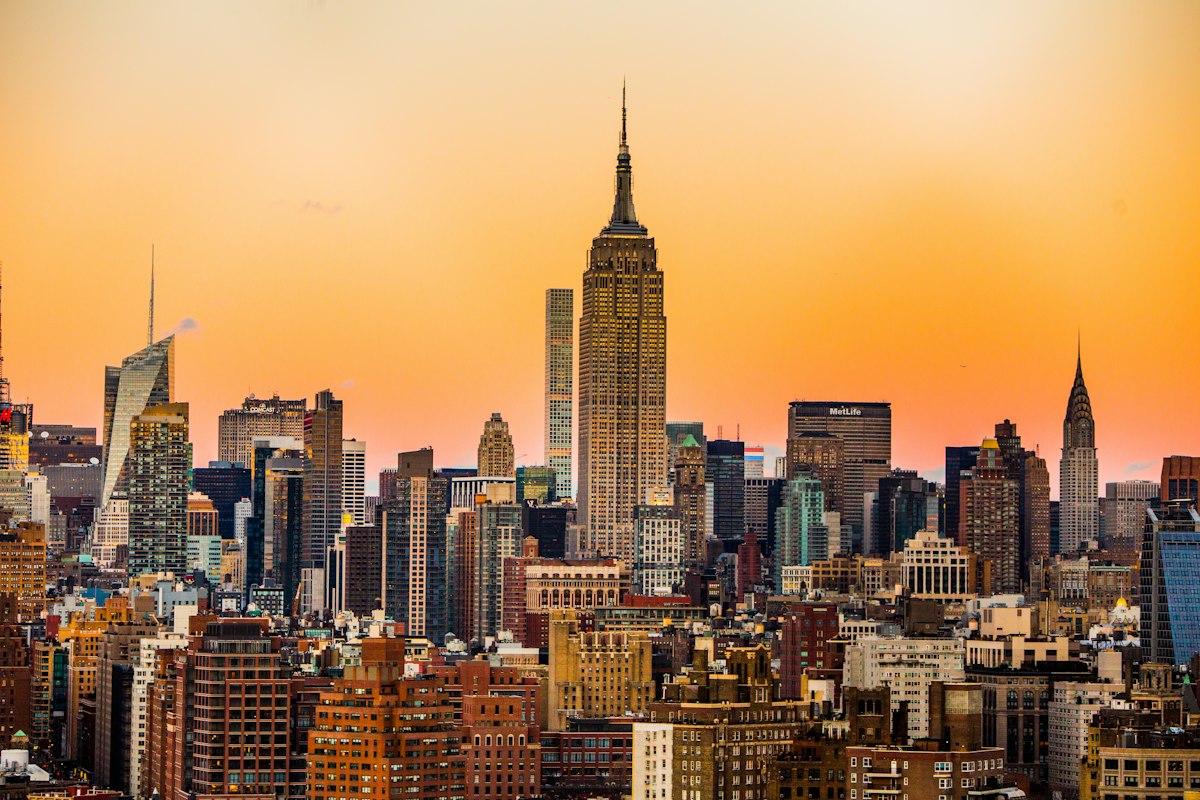
New York City processes more court filings than most states do in a year. Across the five boroughs, the New York State Unified Court System, the Southern District of New York, and the Eastern District of New York collectively hear tens of thousands of cases at any given time. For law firms, legal operations teams, and AI legal platforms operating in this market, the question is never whether you need court coverage — it is whether you have a reliable system to provide it at scale.
The New York court appearance attorney market is one of the most active in the country. There is a deep bench of per diem and coverage attorneys across all five boroughs, but matching them efficiently to the right courthouse, on the right date, for the right proceeding type requires infrastructure that most firms and platforms are only now building out. This guide maps the NYC court landscape and explains how modern coverage works in a market this large.
Understanding the Five-Borough Court Landscape
No other American city forces firms to think about geography the way New York does. A matter filed in Manhattan does not automatically allow appearance by an attorney who primarily covers Queens. Transit times between boroughs can easily run 45 minutes to an hour, and each borough's courthouse has its own culture, docket rhythms, and clerk relationships. Before booking coverage, you need to know exactly where you are sending someone.
Manhattan: The Highest-Volume Market
Manhattan is the epicenter. The key venues include:
- New York Supreme Court, New York County — 60 Centre Street (the landmark building with the columns) and 111 Centre Street handle civil, criminal, and commercial matters. This is among the busiest state court complexes in the country.
- U.S. District Court, Southern District of New York (SDNY) — 500 Pearl Street, Thurgood Marshall U.S. Courthouse. One of the most prominent federal courts in the world. High-stakes commercial litigation, securities cases, and complex criminal matters.
- Manhattan Civil Court — 111 Centre Street. Handles smaller civil claims and landlord-tenant matters. Very high appearance volume, very routine proceedings — exactly the workload AI legal platforms tend to generate at scale.
- Manhattan Criminal Court — 100 Centre Street. Arraignments, misdemeanor matters, and preliminary hearings.
- New York County Surrogate's Court — 31 Chambers Street. Probate, estate proceedings, and guardianship matters.
Brooklyn: The Outer Borough Heavyweight
Kings County is New York's most populous borough and generates enormous court volume. The key venues:
- New York Supreme Court, Kings County — 360 Adams Street, the main civil and commercial term. Significant personal injury, real estate, and commercial docket.
- Kings County Criminal Court — 120 Schermerhorn Street. Heavy arraignment and misdemeanor volume.
- U.S. District Court, Eastern District of New York (EDNY) — 225 Cadman Plaza East. Covers Brooklyn, Queens, Staten Island, and Long Island. Separate federal admission required from SDNY.
- Brooklyn Housing Court — 141 Livingston Street. One of the busiest housing courts in the state, with landlord-tenant matters that AI legal platforms are increasingly handling.
Queens: Diverse Docket, High Volume
- New York Supreme Court, Queens County — 88-11 Sutphin Boulevard, Jamaica. Civil and commercial matters for one of the most densely populated counties in the state.
- Queens County Criminal Court — 125-01 Queens Boulevard, Kew Gardens. The main criminal intake for the borough.
- Queens Housing Court — 89-17 Sutphin Boulevard. Adjacent to the Supreme Court complex.
The Bronx
- New York Supreme Court, Bronx County — 851 Grand Concourse. Civil and criminal terms for the northernmost borough.
- Bronx County Criminal Court — 215 East 161st Street. Known for a high-volume arraignment docket.
- Bronx Housing Court — 1118 Grand Concourse. Consistently among the state's busiest housing courts.
Staten Island
- New York Supreme Court, Richmond County — 18 Richmond Terrace, St. George. The smallest borough by court volume but geographically the most isolated — appearance attorneys who regularly cover Richmond County tend to be specialists in that market.
Why AI Legal Platforms Need NYC Appearance Coverage
The growth of AI-powered legal services has created an entirely new category of demand for NYC appearance attorneys. Platforms that automate legal document drafting, tenant representation, debt collection defense, immigration forms, and small claims filings are generating court appearances at a volume no traditional law firm could staff internally.
Consider the math: an AI platform handling tenant-side housing court representation across New York City may be managing hundreds of active cases simultaneously. Every one of those cases has potential appearance dates — initial conferences, adjournments, hearings, trials. The platform's supervising attorneys cannot physically appear in Brooklyn Housing Court on Tuesday, Queens Housing Court on Wednesday, and Bronx Housing Court on Thursday. They need a coverage layer that scales with their docket.
AI legal platforms are the fastest-growing source of appearance attorney demand in New York City. The volume they generate — routine procedural matters at scale across all five boroughs — is exactly what a well-structured coverage network is built to handle.
This is precisely the problem CourtCounsel's partner network is designed to solve. Platforms connect via API, post appearances programmatically, and receive confirmed attorney assignments and post-hearing outcome reports without manual coordination. The supervising attorney reviews outcomes in a dashboard rather than chasing individual coverage attorneys for updates after each hearing.
Attorney Earnings: The NYC Premium
New York City is the highest-paying market for per diem and appearance work in the country. The cost of living, the complexity of the court system, and the sheer competition for attorney time in the city all push rates upward. For attorneys considering court appearance work, the NYC market offers meaningful income potential.
Typical per-appearance rates in New York City through a marketplace like CourtCounsel run $200–$400 per appearance for standard procedural hearings — a premium of 30–50% above national averages. More complex matters, federal appearances, or hearings requiring specialized background command higher rates. Attorneys who cover the Manhattan federal courts (SDNY and EDNY) routinely earn at the top of this range.
For attorneys who are building a per diem practice, the economics in New York City are compelling:
- A working day covering three routine appearances in Manhattan nets $600–$900 without billing a single hour of substantive legal work.
- Attorneys who specialize in specific courthouses develop relationships that make each appearance faster and easier over time, increasing effective hourly rates.
- Housing court and civil court appearances — the highest-volume, most routine proceedings — can be batched efficiently by attorneys who know the docket rhythms.
- Federal court appearances, while less frequent, pay at premium rates and carry reputational value for attorneys building a litigation-adjacent practice.
If you are a New York-admitted attorney interested in appearance work, the fastest way to build a pipeline is to join a verified platform that routes matters to you by courthouse. Apply to join CourtCounsel here.
The "Gig Attorney" Culture in New York City
New York has long had an informal ecosystem of per diem attorneys — lawyers who make a full or partial living covering appearances for other firms. This culture predates any technology platform by decades. In every major New York courthouse, you will find attorneys whose primary practice is coverage work: they know the clerks by name, they know which judges run tight calendars and which run long, and they know how to get in and out of a hearing efficiently.
What has changed is the formalization of this market. Historically, per diem work was sourced through informal networks — bar association contacts, law school connections, courthouse friendships. That worked tolerably well for firms with stable dockets and recurring needs in familiar courthouses. It works poorly for firms with volatile coverage needs, AI platforms that need programmatic booking, or any operation that requires documented outcomes and insurance verification.
The new generation of coverage platforms has built infrastructure around what was already an informal but functioning market. Bar verification, outcome reporting, insurance requirements, and structured payment — these are additions to a pre-existing practice, not a disruption of it. Many of New York City's most experienced per diem attorneys have joined platforms precisely because it regularizes their work without changing what they actually do in the courtroom.
What to Look for in a NYC Appearance Attorney Platform
Not every coverage platform has meaningful depth in New York City. Given the five-borough geography and the distinct demands of state versus federal court, the specifics of a platform's NYC attorney network matter considerably. Before committing to a provider, ask these questions:
Borough-by-Borough Attorney Density
A platform might have 200 attorneys licensed in New York State but have 180 of them clustered in Manhattan. If your matters are in Brooklyn Housing Court or Queens Supreme, thin coverage in those boroughs means delayed matches and higher cancellation rates. Ask the platform specifically how many active attorneys it has for each borough, not just the state total.
SDNY vs. EDNY vs. State Court Admissions
Federal court admission in New York is separate from state bar admission. An attorney admitted to the New York State Bar is not automatically admitted to SDNY or EDNY — federal district admission requires a separate application. If your matters include federal litigation, confirm the platform has attorneys with the relevant federal district credentials, not just state bar admission.
Same-Day Coverage Capability
New York litigation moves fast. Court dates get added, accelerated, and rescheduled with little warning. A coverage platform that can reliably fulfill same-day requests in Manhattan is meaningfully more useful than one that requires 72 hours' notice. Ask specifically about the platform's same-day fill rate for Manhattan and Brooklyn matters.
Outcome Reporting Standards
Every appearance attorney covering your matters should submit a written outcome report. For AI legal platforms that need to update their systems and notify clients, this isn't optional — it's core infrastructure. Confirm the platform delivers structured outcome reports within a defined timeframe after each hearing.
Frequently Asked Questions
Do I need to be admitted to the New York State Bar to appear as a coverage attorney in NYC?
Yes. To appear in New York State courts — including Manhattan Supreme, Brooklyn Supreme, Queens Supreme, and Bronx Supreme — you must be admitted to the New York State Bar and in good standing. For federal matters in SDNY or EDNY, admission to the relevant federal district is required separately. Attorneys admitted in other states who want to cover New York matters must either obtain pro hac vice admission on a case-by-case basis or apply for New York admission. CourtCounsel verifies New York bar status and federal district admissions independently before matching any attorney to a New York matter.
Can one appearance attorney cover multiple boroughs in a single day?
It is physically possible but operationally risky. Manhattan Supreme (60 Centre Street) and Brooklyn Supreme (360 Adams Street) are separated by the Brooklyn Bridge — transit time runs 30–45 minutes under good conditions. Scheduling back-to-back appearances in different boroughs on the same morning leaves no buffer for delayed proceedings, security lines, or courtroom rescheduling. Experienced NYC coverage attorneys are generally candid about which combinations work. The safest practice is to book borough-specific attorneys for same-day coverage across Manhattan, Brooklyn, Queens, and the Bronx rather than routing one attorney across multiple boroughs on a tight schedule.
How quickly can I get same-day court coverage in Manhattan?
Manhattan has one of the deepest pools of per diem and coverage attorneys of any market in the country. For routine procedural matters — adjournments, calendar calls, status conferences — same-day coverage is achievable with a few hours' notice through a platform with a strong Manhattan attorney network. Complex or contested hearings may require more lead time to source an attorney with the right subject-matter background. CourtCounsel's Manhattan attorney pool is among the platform's most active, and urgent requests for 60 Centre Street, 111 Centre Street, and SDNY/EDNY courthouses are treated as priority matches.
NYC Coverage, All Five Boroughs
CourtCounsel matches law firms and AI legal platforms with bar-verified appearance attorneys across Manhattan, Brooklyn, Queens, the Bronx, and Staten Island. Post a hearing and get a confirmed attorney in hours.
Post an Appearance Join as an Attorney